Two Words, Every Sunday: The Tiny Ritual That Outlasts Grand Gestures

Photo: Feng Chengsu / Wang Xizhi, Public domain, via Wikimedia Commons
Every guy I know can name the friend he's been meaning to call for two years. Not because he stopped caring — because the call started to feel like an event. It needed a free evening, good news to report, a reason. So it never happened.
Meanwhile, there's the other guy. The one who texts "sup" every Sunday around 8. Sometimes the reply is a paragraph. Sometimes it's a thumbs up. It doesn't matter. The thread has never died.
Guess which friendship you'd bet on.
The Whole Thing Is Ridiculously Simple — That's the Point
There's a reason the Sunday text works, and it's not sentiment. Sociologists call them "rituals of low intensity": recurring, low-effort touchpoints that signal presence without demanding anything. Think of it as the friendship equivalent of leaving the porch light on.
The math is brutal and beautiful. A grand gesture — the fishing trip, the Super Bowl party invite — happens once a year and costs real effort. A two-word text happens 52 times a year and costs about four seconds. Over a decade, that's more than 500 moments of "I'm still here" stacked on top of each other.
Presence beats performance. Every time.
Why Men Especially Need the Standing Thing
Let's be honest about how most male friendships actually run: on infrastructure. In school, the infrastructure was the hallway and the lunch table. After college, it was the bar on Thursdays. Take away the structure and the friendship doesn't end — it just has nowhere to live.
That's why the guys who stay close into their 40s and 50s almost always have some version of a ritual:
- The standing game. Pickup basketball every Saturday morning at the same park, rain or shine, whether you play or you sit on the bench and talk trash.
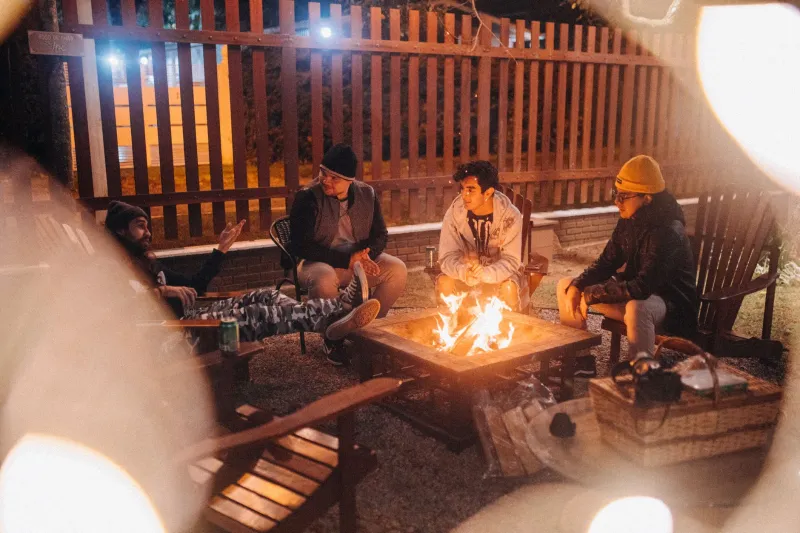
- The monthly smoke. First Friday of the month, one guy's backyard, brisket optional, complaints mandatory.
- The group text that never dies. Someone posts a score, a meme, a picture of a truck they can't afford. Doesn't matter. The channel stays open.
None of these require anyone to be vulnerable or plan anything elaborate. They just require showing up — which is the entire secret of brotherhood anyway.
The Science Backs the Boring Stuff
Research on friendship keeps landing on the same finding: consistency predicts closeness better than intensity. Frequent small contact builds what researchers call "relational maintenance" — the steady drip that keeps a bond from evaporating. One big reunion can't replicate it, because connection isn't stored in lumps. It's stored in rhythm.
There's also the accountability effect. When a guy knows Sunday is coming, he's a little more likely to notice his own week. Did anything happen worth typing? Sometimes the honest answer is "not really, kind of a rough one" — and that reply, boring as it looks, might be the only place he admits it.
How to Start a Ritual Your Crew Will Actually Keep
Most rituals die for one reason: somebody made them too big. Here's the fail-safe version.
Step 1: Pick the smallest possible unit. A text, not a dinner. Twenty minutes, not a weekend. If it feels like an errand, shrink it.
Step 2: Anchor it to something that already happens. Sunday evening. After the game. First of the month. Habits stick when they attach to an existing rhythm, not a new one you have to remember.
Step 3: Make it automatic, not inspired. Set a recurring reminder. This sounds unromantic. It is. So is flossing. Do it anyway.
Step 4: Let it be low-stakes forever. The death of every ritual is when it becomes an obligation with guilt attached. A missed Sunday is not a betrayal. The rule is simple: no apologies, no pressure. Just come back next week.
Step 5: Name it. Give the thing a dumb name. "The Sunday Six." "Monday Morning Roll Call." A named thing is a real thing, and real things survive.
One Text Is a Ripple. Fifty Is a Current.
Here's what nobody tells you about the small ritual: it compounds. The guy who gets your "sup" every week doesn't think of you as the friend he should call. He thinks of you as the friend who's already there. When his marriage hits the rocks or his dad gets sick, you're not rebuilding trust from scratch. You're just the next message in a thread that's been running for years.
That's the whole trade. Four seconds a week for a brother who never has to wonder.
So this Sunday, around 8, send two words. Don't explain. Don't make it a thing. Just start the streak — and let it run for the rest of your life.